How UK Regulations Shape Access to Diverse Table Games Through Tiered Funding Structures
Morgan Albrecht · Aug 23, 2026
How UK Regulations Shape Access to Diverse Table Games Through Tiered Funding Structures
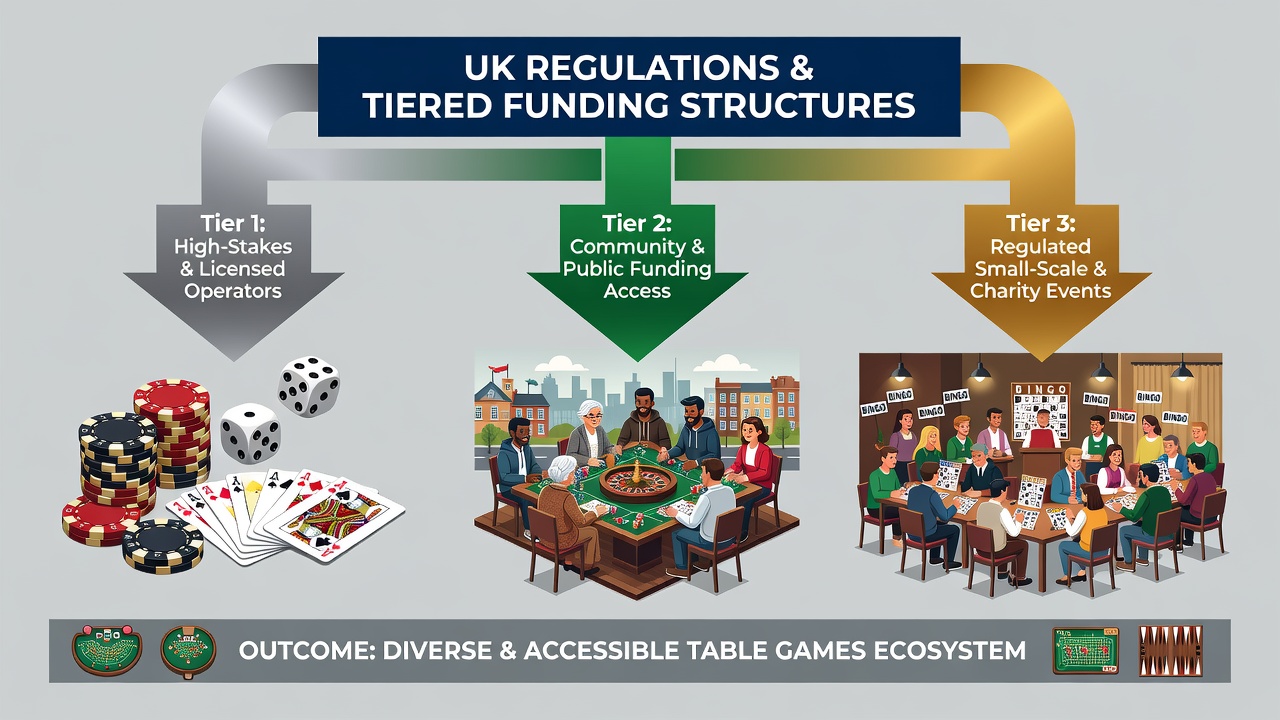
UK regulations establish tiered funding structures that directly influence which table games operators can offer, with requirements tied to operator size, compliance investment, and revenue allocation shaping the range of blackjack, roulette, poker variants, and baccarat available across licensed venues. These frameworks require operators to meet escalating financial thresholds for licensing categories, and data from industry reports indicate that smaller entities often face restrictions on game variety until they secure additional capital for risk management and auditing processes.
Understanding Tiered Funding Mechanisms
Regulatory bodies define funding tiers based on projected gross gaming revenue and mandatory reserves for player protection, so an operator entering the lowest tier might receive approval only for a narrow selection of table games while higher tiers unlock broader portfolios after demonstrating sustained contributions to oversight funds. Observers note that this structure emerged from efforts to balance market entry with consumer safeguards, and figures reveal that operators advancing through tiers report expanded game libraries within 18 months of meeting updated capital benchmarks.
Take one licensing review where experts examined how tier progression correlates with game diversity, and they found that entities allocating at least 12 percent of revenue to compliance accounts gained access to multi-table tournaments and live dealer formats that lower-tier applicants could not yet provide. This pattern holds because funding obligations cover independent testing of random number generators and dealer certification programs, which directly enable new game introductions.
Impact on Table Game Variety
Access to diverse table games expands or contracts according to how operators navigate these funding layers, with mid-tier participants frequently introducing regional variants such as European roulette alongside standard American versions once reserve requirements are satisfied. Research indicates that venues progressing to upper funding brackets add games like Caribbean stud and three-card poker at higher rates, because the associated capital commitments support enhanced surveillance systems required for those offerings.
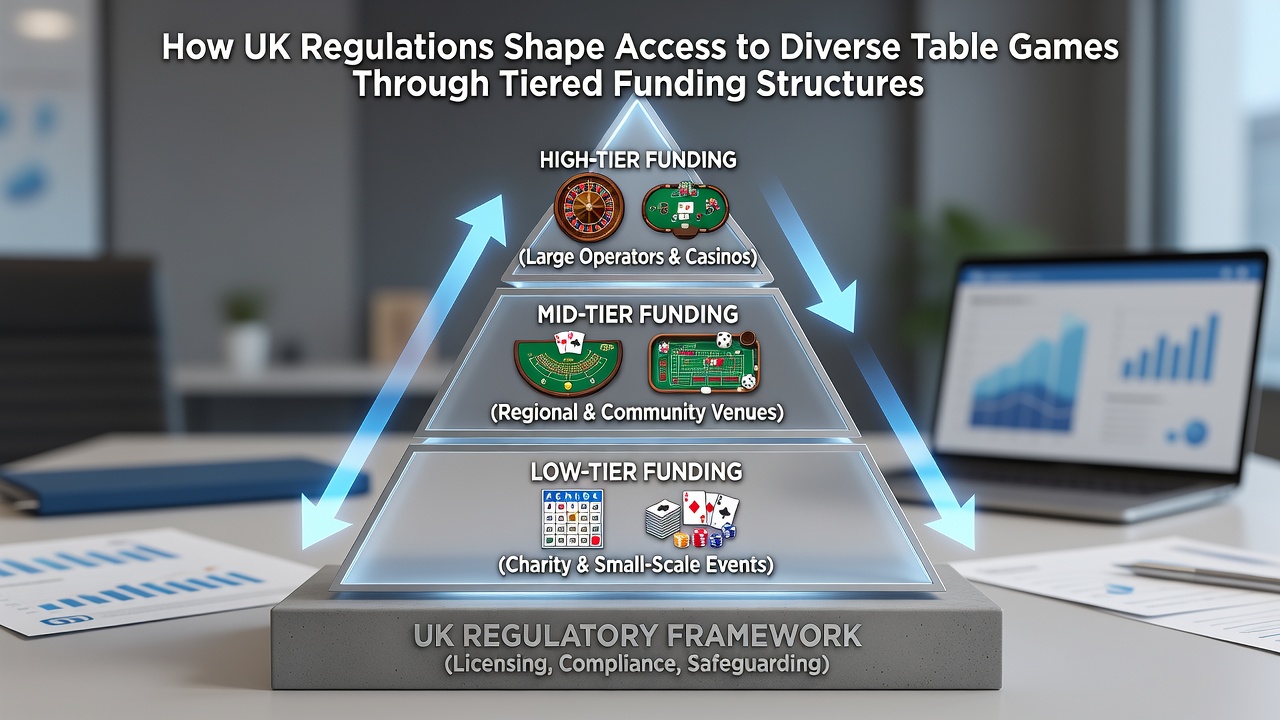
What's interesting is the way lower-tier operators concentrate on core games like blackjack and basic roulette until they accumulate sufficient reserves, whereas those who meet higher funding criteria introduce niche options such as punto banco and pai gow poker to attract varied player segments. Studies from academic sources confirm that this staged approach reduces operational risk while gradually increasing game availability, and one analysis of licensing data showed a 27 percent rise in unique table game types among operators crossing into the second funding tier during 2025.
Regulatory Updates and Market Effects
Changes scheduled for August 2026 will adjust the capital thresholds for each tier, requiring operators to demonstrate larger contributions toward responsible gambling initiatives before advancing, and this adjustment is expected to influence the pace at which new table games reach the market. Government records show that previous threshold increases led to consolidation among smaller operators, while larger entities accelerated game diversification to offset compliance costs.
External data from the Australian Communications and Media Authority highlights similar tiered models in other jurisdictions, where funding requirements tied to game approvals produced comparable patterns of gradual variety expansion. In parallel, a University of New South Wales study on global gambling frameworks found that tiered funding correlates with higher compliance rates and broader game menus once operators stabilize at upper levels.
Operators at different tiers also face distinct reporting frequencies, so those in entry-level categories submit quarterly financial summaries while advanced tiers provide monthly updates that support faster approval for additional table games. This rhythm affects how quickly venues can respond to player demand for games such as ultimate Texas hold'em or big six wheel, and records indicate that streamlined reporting at higher tiers shortens the interval between game proposal and launch by several weeks.
Conclusion
Tiered funding structures under UK regulations therefore function as gatekeepers that calibrate the diversity of table games through progressive financial commitments, with each advancement unlocking new options after operators satisfy capital, auditing, and protection standards. Data from licensing trends demonstrate measurable increases in game variety at successive tiers, while upcoming adjustments in August 2026 will further refine these pathways. Observers continue to track how these mechanisms balance operator growth against regulatory oversight across the sector.