Deposit Scaling Mechanisms Influencing Game Selections in Regulated British Digital Casinos
Amir Coleman · Oct 4, 2026
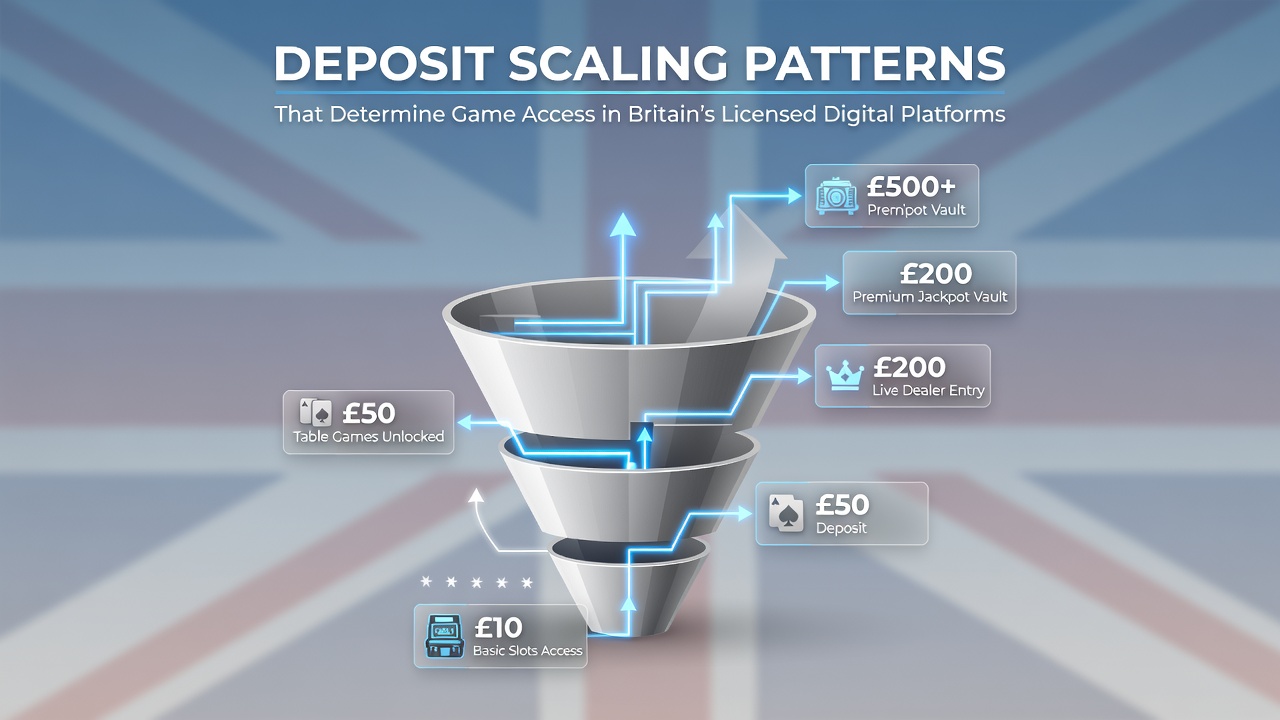
Deposit Scaling Mechanisms Influencing Game Selections in Regulated British Digital Casinos
Deposit scaling patterns establish clear thresholds that control which games players can access on Britain's licensed digital platforms, and operators structure these tiers around minimum funding amounts that unlock specific categories such as slots, table games, and progressive jackpots. Data from industry analyses reveals that lower deposit levels typically restrict users to basic slot titles, whereas higher thresholds open pathways to live dealer tables and high-stakes variants, creating a structured progression that aligns player funding with game complexity. Observers note that this system emerged as platforms adapted to regulatory requirements that emphasize responsible participation through controlled access points.
Core Deposit Tiers and Their Functional Roles
Platforms implement three primary deposit bands that determine immediate game eligibility, with the entry tier starting at five pounds and limiting selections to standard video slots plus basic bingo rooms, while the intermediate band between twenty and fifty pounds activates additional features including multi-reel progressives and select table game variants. Researchers have documented that the upper tier exceeding one hundred pounds grants full access to exclusive live casino environments and tournament entries, and these divisions reflect operational data showing how funding levels correlate directly with session duration and game variety preferences. What's interesting is that operators adjust these bands periodically based on aggregated user behavior metrics collected across multiple quarters.
October 2026 Platform Updates and Access Adjustments
As of October 2026 several major licensed sites revised their scaling protocols to incorporate new compliance layers that tie deposit milestones to verification checkpoints, and this change resulted in streamlined access for verified accounts while maintaining restrictions for those still completing identity checks. Figures from sector reports indicate that these adjustments increased the proportion of players reaching intermediate tiers within their first week, because automated systems now recognize cumulative deposits across linked accounts rather than treating each session independently. People who monitor these platforms observe that the updates also introduced temporary unlock windows for certain high-volatility slots once users hit specific monthly funding totals, creating short-term opportunities without permanent tier elevation.
Take one operator that introduced a loyalty-linked scaling model where consistent deposits over three months automatically shift users into higher bands, and this approach demonstrates how historical activity data influences current game availability without requiring repeated large transfers. Evidence from platform audits shows that such models reduce abrupt access barriers while still enforcing minimums that prevent unrestricted entry to resource-intensive games like multi-player roulette variants.
Regional Comparisons and Broader Industry Context
Similar scaling frameworks appear in other regulated markets, and a report from the Australian Gambling Research Centre outlines how deposit thresholds in licensed Australian platforms similarly gate advanced game modes behind progressive funding requirements. Yet British implementations differ by integrating real-time compliance checks that link directly to player verification status, and this integration produces more dynamic access adjustments than static tier systems found elsewhere. Data indicates that these differences contribute to varied player retention patterns across jurisdictions, with Britain's model showing higher progression rates into mid-tier games during promotional periods.
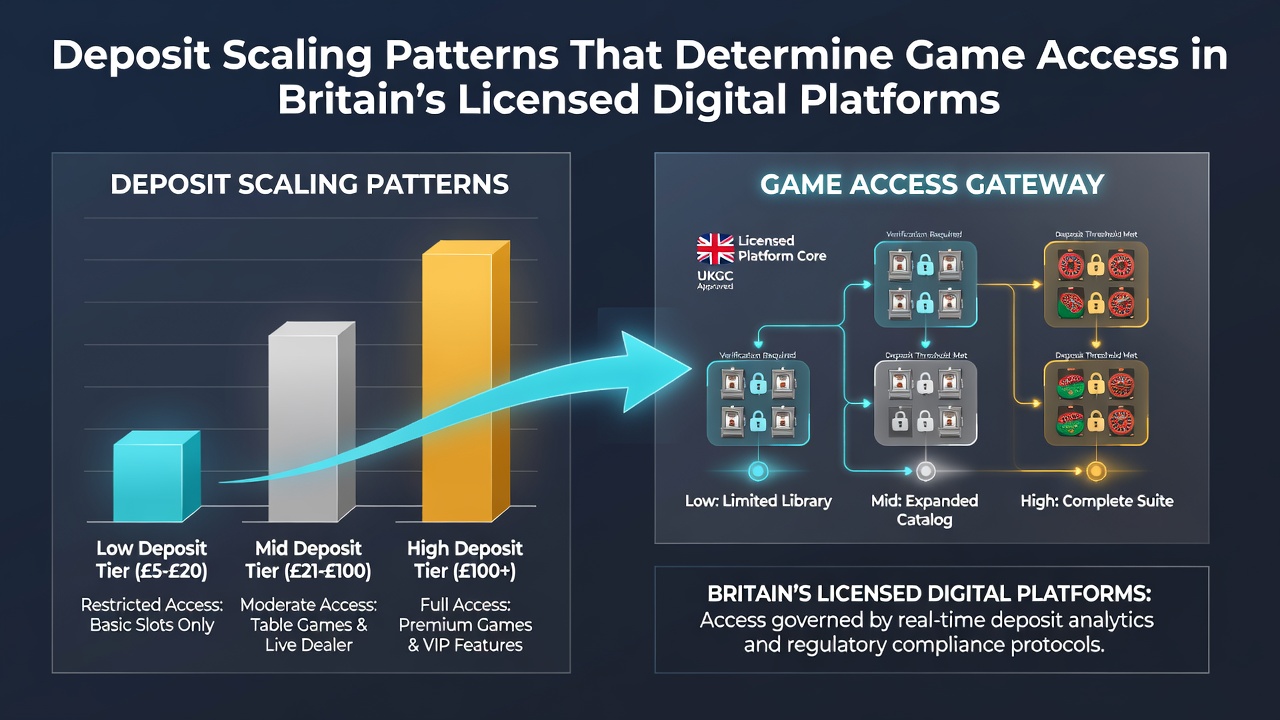
Another perspective comes from analyses by the Nevada Gaming Control Board, which tracks how scaled deposits in digital formats influence the distribution of play across game types, and those findings parallel observations in Britain where higher deposit bands concentrate activity on premium titles. Researchers discovered that platforms using these patterns report more balanced revenue streams because players gradually migrate toward diverse options rather than remaining confined to entry-level selections. The reality is that this gradual unlocking supports sustained engagement while aligning with licensing conditions that prioritize structured participation.
Technical Implementation Across Major Platforms
Backend systems on licensed British sites employ algorithmic triggers that evaluate deposit history and current balance to determine eligible game libraries, and these algorithms refresh access permissions after each transaction completes. One study revealed that integration with payment processors allows instant tier verification, reducing latency between funding and game availability to under thirty seconds for most users. Observers note that occasional discrepancies arise during high-traffic periods when verification queues form, yet these resolve quickly through automated escalation protocols that prioritize active accounts.
Case examples include platforms that offer deposit-matched unlocks for specific game categories during seasonal events, and such promotions temporarily expand access for users who meet the base threshold but have not yet reached the next permanent tier. This flexibility demonstrates how operators balance fixed scaling rules with targeted incentives that respond to market conditions without altering core structures.
Conclusion
Deposit scaling patterns continue to shape game access across Britain's licensed digital platforms through clearly defined tiers that link funding levels to content availability, and ongoing refinements in October 2026 highlight the system's adaptability to new compliance standards. Industry data shows these mechanisms maintain consistent progression opportunities while supporting regulatory goals around responsible play, and comparative insights from other regions confirm that Britain's approach integrates verification elements more tightly than many alternatives. The result remains a structured environment where players encounter game options that scale alongside their platform activity and deposit history.